
🌱 Cultivating Calm: How Houseplants Boost Your Mental Well-being & Reduce Stress

🌱 Cultivating Calm: How Houseplants Boost Your Mental Well-being & Reduce Stress
In today’s fast-paced world, stress and anxiety have become all too common. Many are seeking natural and accessible ways to enhance their mental well-being. One increasingly popular method is incorporating houseplants into our living spaces. This article explores the profound impact of keeping houseplants on psychological well-being and stress reduction, offering a beginner’s guide to plant selection and care.
The Science Behind Green Therapy: Why Plants Make Us Happy
The positive effects of plants on mental health are not merely anecdotal. Research indicates that interacting with nature, including indoor plants, can significantly reduce stress and improve mood. This phenomenon, often referred to as “green therapy,” has several contributing factors:
- Stress Reduction: Studies have shown that being around plants can lower cortisol levels, the hormone associated with stress. A study published in the Journal of Physiological Anthropology found that active interaction with indoor plants (e.g., repotting) can reduce psychological and physiological stress compared to computer tasks.
- Improved Mood: Plants release phytoncides, airborne chemicals that can boost the immune system and elevate mood. These compounds may also have antidepressant-like effects.
- Enhanced Focus and Productivity: Plants can improve air quality by absorbing pollutants, leading to increased concentration and productivity. NASA’s Clean Air Study demonstrated the ability of certain plants to remove toxins like formaldehyde and benzene from indoor environments.
- A Sense of Purpose: Caring for a living organism provides a sense of purpose and responsibility, which can be especially beneficial for individuals struggling with loneliness or depression.
Choosing the Right Plants for Beginners
Embarking on your plant-parenting journey can seem daunting, but it doesn’t have to be! Here are some low-maintenance houseplants that are perfect for beginners:
- Snake Plant (Sansevieria trifasciata): Known for its resilience and air-purifying qualities, the snake plant can tolerate neglect and low-light conditions.
- ZZ Plant (Zamioculcas zamiifolia): Another hardy plant that thrives on neglect, the ZZ plant is drought-tolerant and adaptable to various light levels.
- Pothos (Epipremnum aureum): This trailing vine is easy to propagate and can thrive in various environments. It’s also effective at removing indoor pollutants.
- Spider Plant (Chlorophytum comosum): Spider plants are easy to care for and produce “spiderettes” (baby plants) that can be easily propagated, making them a rewarding choice.
- Peace Lily (Spathiphyllum wallisii): While they prefer bright, indirect light, Peace Lilies are relatively low-maintenance and can tolerate lower light conditions. They also help purify the air.
Essential Plant Care Tips for Success
Even low-maintenance plants require some care. Here are some essential tips to help your houseplants thrive:
- Watering: Overwatering is a common mistake. Allow the soil to dry out slightly between waterings. Check the soil moisture by inserting your finger about an inch deep.
- Light: Pay attention to your plant’s light requirements. Most indoor plants prefer bright, indirect light. Avoid placing them in direct sunlight, which can scorch their leaves.
- Soil: Use a well-draining potting mix specifically formulated for houseplants.
- Fertilizing: Feed your plants with a diluted liquid fertilizer every few weeks during the growing season (spring and summer).
- Humidity: Most houseplants appreciate higher humidity levels. You can increase humidity by misting your plants, placing them on a pebble tray filled with water, or using a humidifier.
- Pest Control: Inspect your plants regularly for pests like spider mites or aphids. Treat infestations promptly with insecticidal soap or neem oil.
Incorporating Plants into Your Daily Life for Maximum Benefit
To maximize the psychological benefits of houseplants, consider these tips:
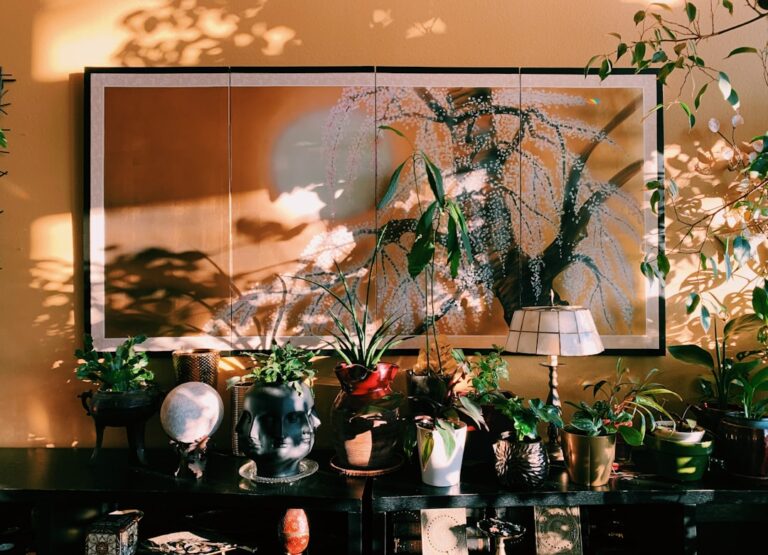
- Create a Green Oasis: Arrange your plants in a way that creates a calming and inviting atmosphere.
- Engage with Your Plants: Spend time caring for your plants, whether it’s watering, pruning, or simply admiring their beauty.
- Mindful Observation: Take a few moments each day to observe your plants and appreciate their growth and beauty.
- Propagate and Share: Sharing plant cuttings with friends and family can create a sense of community and connection.
By incorporating houseplants into your life, you can create a more calming, productive, and fulfilling environment. The simple act of caring for a living plant can have a profound impact on your mental well-being and overall quality of life.
References and Resources
- Journal of Physiological Anthropology – The physiological effects of Shinrin-yoku (taking in the forest atmosphere or forest bathing): evidence from field experiments in 24 forests across Japan
- NASA Clean Air Study
- Royal Horticultural Society – Houseplants
- Mayo Clinic – Are houseplants good for your health?
Related Articles
- Decoding Your Taste Buds: 🚨 How Changes in Appetite Can Signal Health Issues
- 💪 Home Core Workout: 5 Essential Moves for Back Pain Relief & Posture Correction
- 🎾 Beat Tennis Elbow: Prevention & Pain-Free Play
- Overcoming Teenage Anxiety 😥: Dealing with Academic Stress, Friendships, and Future Worries Healthily
- 🏃♀️ Join a Running Group: Boost Health, Happiness & Results!
This article is for general health information purposes only and does not replace professional medical advice or consultation. This content was structured and organized using AI-based tools.





 Korean