
🥶 Beat the Freeze: Your Ultimate Guide to Winter Health!

🥶 Beat the Freeze: Your Ultimate Guide to Winter Health!
Winter’s chill brings more than just cozy nights; it poses unique challenges to our health. From plummeting temperatures affecting our blood vessels to dry air wreaking havoc on our skin, understanding how to protect ourselves is crucial. This guide provides evidence-based strategies to navigate the health challenges of a cold snap.
Protecting Your Cardiovascular Health in Freezing Weather
The cold constricts blood vessels, increasing blood pressure and the risk of heart attack and stroke. People with pre-existing cardiovascular conditions are especially vulnerable. To protect your heart:
- Stay Warm: Dress in layers, covering your head, hands, and feet. According to the American Heart Association (AHA), exposure to cold temperatures can cause blood vessels to constrict, increasing blood pressure.
- Limit Outdoor Exertion: Avoid strenuous activities outdoors, especially if you have heart disease. Shoveling snow, for example, can put a significant strain on the heart.
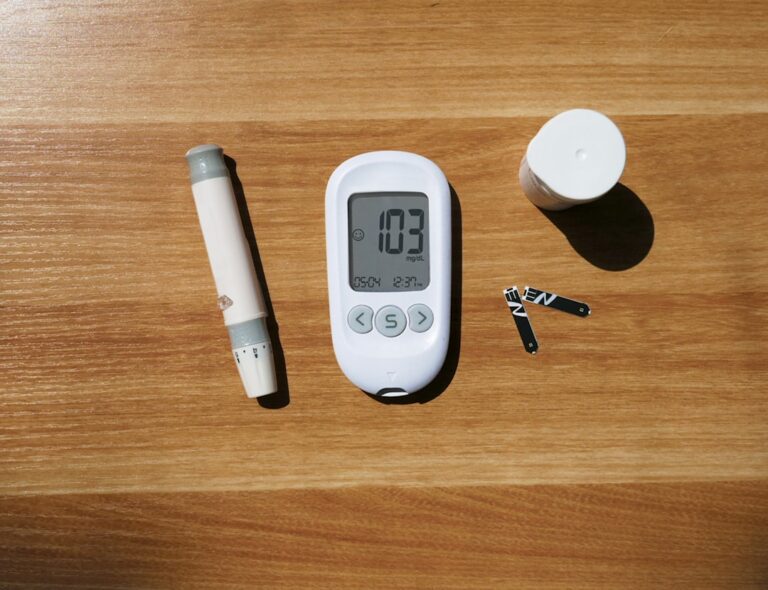
- Monitor Your Blood Pressure: Regularly check your blood pressure, and consult your doctor if it’s elevated.
- Avoid Alcohol and Caffeine Before Going Outside: These substances can affect your body’s ability to regulate temperature.
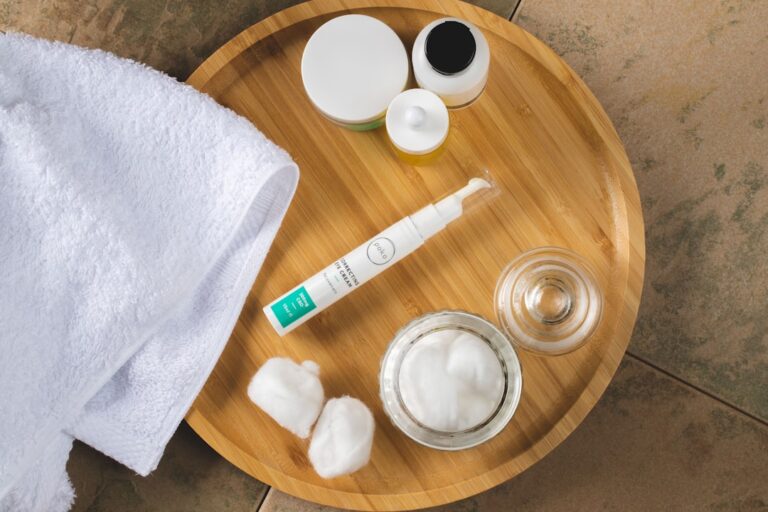
Combating Winter Skin Dryness
Dry winter air steals moisture from your skin, leading to dryness, itching, and cracking. Here’s how to combat winter skin woes:
- Moisturize Frequently: Apply a thick, emollient-rich moisturizer several times a day, especially after showering or washing your hands. Look for ingredients like hyaluronic acid, ceramides, and shea butter.
- Use a Humidifier: Increase the humidity in your home to help replenish moisture in the air and your skin.
- Avoid Hot Showers: Hot water strips away natural oils, exacerbating dryness. Opt for warm showers instead.
- Wear Gloves and Scarves: Protect your hands and face from the cold and wind.
- Stay Hydrated: Drink plenty of water to keep your skin hydrated from the inside out.
Preventing and Recognizing Hypothermia
Hypothermia occurs when your body loses heat faster than it can produce it, leading to a dangerously low body temperature. It’s a serious condition that can be life-threatening. Prevention and early recognition are key:
- Dress Appropriately: Wear multiple layers of warm, dry clothing. Wool and synthetic fabrics are better than cotton.
- Stay Dry: Wet clothing significantly increases heat loss.
- Seek Shelter: If you’re outdoors, find shelter from the wind and cold.
- Recognize the Symptoms: Shivering, confusion, slurred speech, drowsiness, and loss of coordination are all signs of hypothermia.
Winter Emergency First Aid
Knowing how to respond in a winter emergency can save a life:
- Hypothermia: Get the person to a warm place, remove any wet clothing, and cover them with warm blankets. Provide warm, non-alcoholic beverages if they are conscious. Seek immediate medical attention.
- Frostbite: Gradually warm the affected area in warm (not hot) water. Do not rub or massage the area, as this can cause further damage. Seek medical attention.
- Falls on Ice: Assess the person for injuries. If they are unable to move or have severe pain, call for emergency medical assistance.
References & Links:
- American Heart Association: Cold Weather and High Blood Pressure
- Centers for Disease Control and Prevention (CDC): Winter Weather
- Mayo Clinic: Hypothermia
Related Articles
- Boost Your Health IQ Through Smart Eating 🧠🍎: Beyond Healthy Pleasure
- 🎾 Tennis: Ace Your Way to Health and Happiness! A to Z Guide
- 🎁 Rethinking Holiday Gifts: Enzymes, Albumin & Unique Health Gifts 2024
- 🤧 Beat the Flu: Your Ultimate Guide to Prevention & Relief for a Healthy Winter
- 🍂 Fall Immunity Boost: Unlock the Power of Jujube!
This article is for general health information purposes only and does not replace professional medical advice or consultation. This content was structured and organized using AI-based tools.
 Korean