
Sipping Smarter: Your Guide to Enjoying Decaf Coffee Healthily ☕
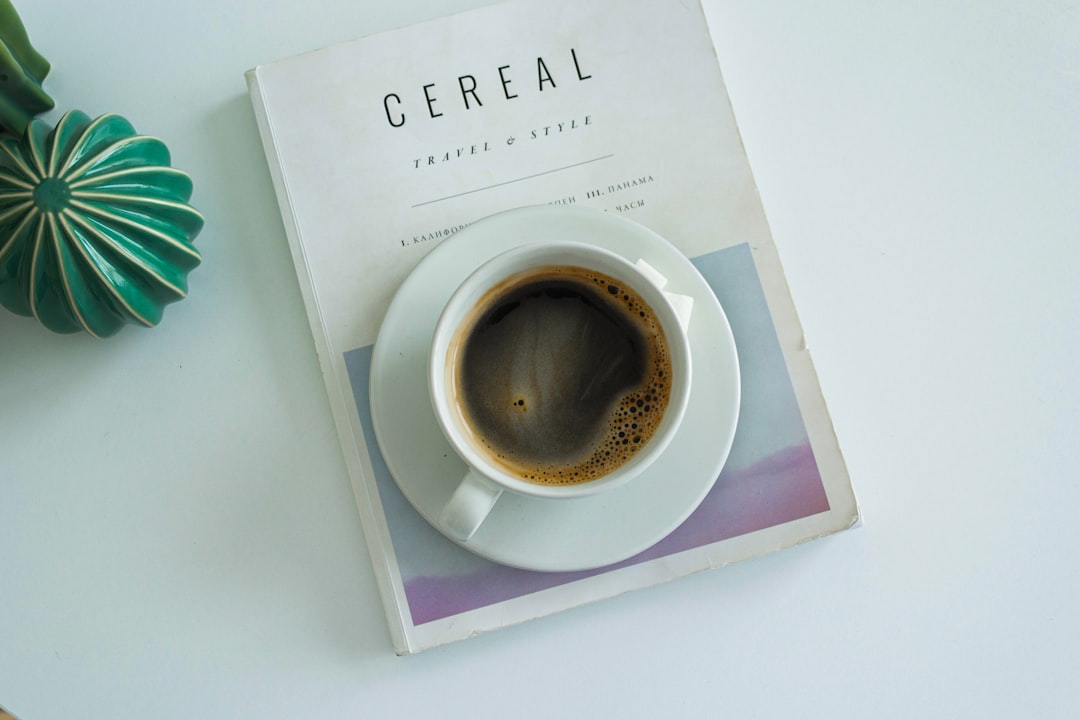
Breaking Free from Caffeine: A Guide to Guilt-Free Decaf Coffee
Struggling to cut back on caffeine? You’re not alone! Many of us rely on that morning (or afternoon!) jolt, but excessive caffeine can lead to jitters, anxiety, and sleep disturbances. Decaf coffee offers a fantastic alternative, allowing you to enjoy the ritual and flavor of coffee without the caffeine overload. But how do you make the switch and ensure you’re reaping the benefits while minimizing any potential drawbacks? Let’s dive in!
The Perks of Decaf: More Than Just Less Caffeine
Decaf coffee isn’t just about removing caffeine. It retains many of the beneficial compounds found in regular coffee, offering a surprising array of health benefits:
- Rich in Antioxidants: Decaf coffee is packed with antioxidants, which help protect your body against damage from free radicals. These antioxidants can contribute to overall health and well-being.
- Reduced Anxiety & Improved Sleep: By eliminating caffeine, decaf coffee can help reduce anxiety and improve sleep quality, especially for those sensitive to stimulants. A study published in the Journal of the American Medical Association showed that caffeine consumption significantly impacted sleep latency and quality (1).
- Lower Risk of Heartburn: Caffeine can relax the lower esophageal sphincter, increasing the risk of acid reflux and heartburn. Decaf coffee is less likely to trigger these issues.
- May Help with Liver Health: Some studies suggest that coffee, even decaf, may be beneficial for liver health. Research published in Hepatology indicated a potential link between coffee consumption and a reduced risk of liver disease (2).
Navigating the Downsides: Potential Decaf Coffee Concerns
While generally safe, there are a few potential downsides to be aware of:
- Acrylamide Levels: Acrylamide, a chemical formed during the roasting process, is present in both regular and decaf coffee. While some studies have raised concerns, the levels in coffee are generally considered low and unlikely to pose a significant health risk. The FDA monitors acrylamide levels in food products (3).
- Processing Methods: The process of removing caffeine can involve chemicals like methylene chloride or ethyl acetate. However, these chemicals are used in trace amounts and are generally considered safe by regulatory bodies. Look for water-processed or Swiss water-processed decaf, which uses water instead of chemicals.
- Potential for Allergies: Although rare, some individuals may be allergic to components in coffee, including decaf.
Strategies for a Smooth Transition to Decaf
Ready to make the switch? Here’s how to navigate the transition smoothly:
- Gradual Reduction: Don’t go cold turkey! Gradually reduce your caffeine intake by replacing one caffeinated cup with decaf each day.
- Mindful Consumption: Pay attention to how your body reacts. Some people are more sensitive to caffeine than others, even in decaf coffee (which still contains a very small amount).
- Choose High-Quality Decaf: Opt for water-processed or Swiss water-processed decaf to minimize chemical exposure. Look for reputable brands that prioritize quality and transparency.
- Experiment with Brewing Methods: Different brewing methods can affect the taste of decaf coffee. Try different methods like French press, pour-over, or espresso to find your favorite.
- Hydration is Key: Drink plenty of water throughout the day to help flush out any toxins and prevent dehydration, which can mimic caffeine withdrawal symptoms.
Choosing the Right Decaf: What to Look For
Selecting a good decaf coffee is crucial for enjoying its benefits and minimizing potential risks:
- Processing Method: As mentioned earlier, prioritize water-processed or Swiss water-processed decaf.
- Bean Origin and Roast: Explore different bean origins and roast levels to find a flavor profile you enjoy.
- Freshness: Buy freshly roasted beans and grind them just before brewing for the best flavor.
- Read Labels: Check the label for information about the caffeine content and processing method.
By understanding the benefits and potential drawbacks of decaf coffee, and by implementing a gradual and mindful transition, you can enjoy the flavor and ritual of coffee without the unwanted side effects of caffeine. Cheers to healthier sipping!
References & Links:
- (1) Drake, C. L., Roehrs, T., Shambroom, J., & Roth, T. (2013). Caffeine Effects on Sleep Taken 0, 3, or 6 Hours before Going to Bed. Journal of Clinical Sleep Medicine, 9(11), 1195–1200. https://www.ncbi.nlm.nih.gov/pmc/articles/PMC3805807/
- (2) Loftfield, E., Freedman, N. D., Graubard, B. I., Qureshi, A. A., & Lo Conte, N. K. (2016). Coffee consumption and nonalcoholic fatty liver disease risk. Hepatology, 63(6), 1768-1776. https://aasldpubs.onlinelibrary.wiley.com/doi/full/10.1002/hep.28499
- (3) U.S. Food and Drug Administration. (n.d.). Acrylamide. https://www.fda.gov/food/chemicals/acrylamide
This article is for general health information purposes and does not replace professional medical consultation. It was generated by Gemini AI.



 Korean