
💨 Walk Your Way to Stable Blood Sugar: The ‘Fart Walk’ Effect
💨 Walk Your Way to Stable Blood Sugar: The ‘Fart Walk’ Effect
Have you heard of the ‘fart walk’? While the name might sound humorous, this simple post-meal stroll can be a powerful tool for managing blood sugar spikes and promoting overall well-being. Let’s delve into the science-backed benefits and how to do it right.
What is a Post-Meal Blood Sugar Spike?
After eating, your body breaks down carbohydrates into glucose, which enters your bloodstream. This causes your blood sugar levels to rise. In healthy individuals, the pancreas releases insulin to help glucose enter cells for energy, bringing blood sugar back down to normal. However, rapid and significant increases in blood sugar after meals, known as post-meal blood sugar spikes, can be detrimental to health, especially for individuals with diabetes or insulin resistance. These spikes can contribute to:
- Increased risk of type 2 diabetes
- Weight gain
- Cardiovascular issues
- Fatigue and brain fog
The ‘Fart Walk’ Advantage: How Walking After Meals Helps
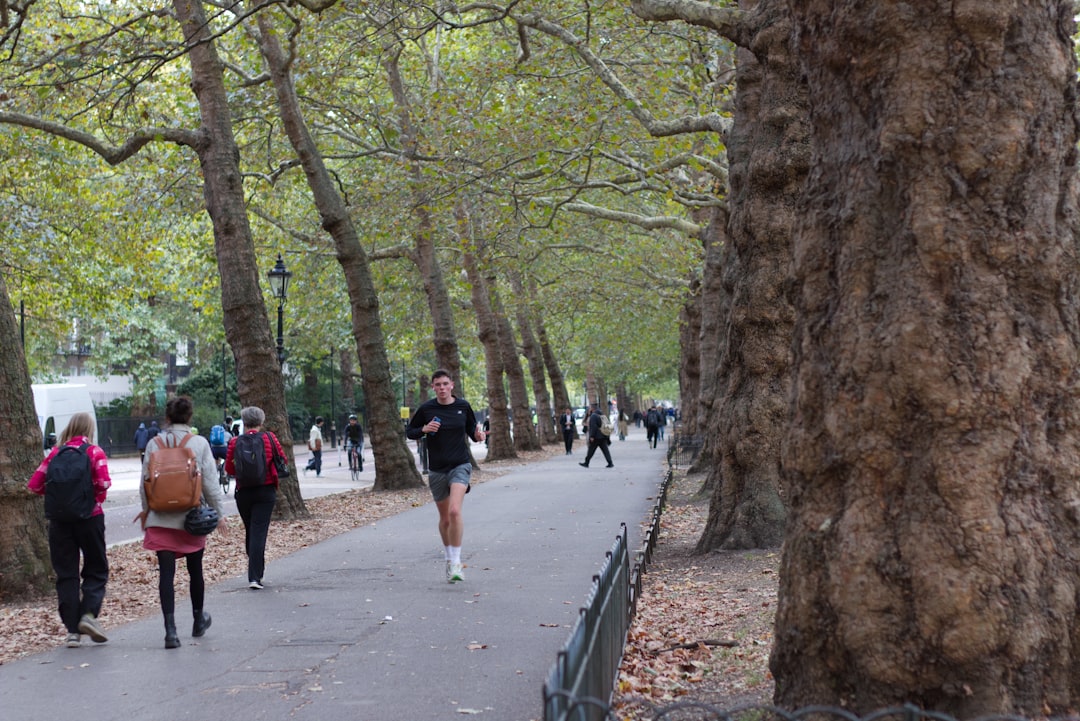
The ‘fart walk’ – essentially a brisk walk taken shortly after eating – helps mitigate these spikes through several mechanisms:
- Glucose Utilization: Muscle contractions during walking increase glucose uptake by muscle cells, reducing the amount of glucose circulating in the bloodstream.
- Insulin Sensitivity: Regular post-meal walks can improve insulin sensitivity over time, making it easier for your body to manage blood sugar levels.
- Improved Digestion: Light exercise after eating can stimulate gut motility, aiding digestion and reducing bloating or discomfort, which might be what gives the activity its humorous nickname.
- Weight Management: Walking burns calories, contributing to weight management and further improving insulin sensitivity.
Optimizing Your ‘Fart Walk’ for Maximum Benefit
Here’s how to make the most of your post-meal walk:
- Timing is Key: Aim to start your walk within 30 minutes of finishing your meal. This is when blood sugar levels are typically at their peak.
- Duration: Even a short 10-15 minute walk can make a significant difference. Gradually increase the duration as you become more comfortable. Research suggests even 2-5 minute walks have beneficial impact on blood sugar.
- Intensity: A brisk walk is ideal. You should be breathing slightly heavier than normal, but still able to hold a conversation.
- Consistency: Make post-meal walks a regular habit. Even small amounts of physical activity done regularly can lead to major improvements in health.
- Listen to Your Body: If you feel any discomfort, such as dizziness or shortness of breath, stop and rest. Consult with your doctor before starting any new exercise program.
Beyond Blood Sugar: Additional Benefits
The benefits of the ‘fart walk’ extend beyond blood sugar control. It can also contribute to:
- Improved mood and reduced stress
- Better sleep quality
- Increased energy levels
- Enhanced cardiovascular health
References & Links
- American Diabetes Association: Walking for Diabetes
- Mayo Clinic: Exercise: 7 benefits of regular physical activity
- National Institutes of Health (NIH): Effect of Walking for 3 Minutes After Meals on Postprandial Glycemic Response in Older Adults
Related Articles
- 🍠 Smart Sweet Potato Secrets: Diet & Health in One!
- Level Up Your Life 🎮: Building Healthy Gaming Habits for Focus and Stress Relief
- 🎉 New Year, New You: Beginner-Friendly Home Workout Routine
- Conquer Your New Year’s Diet Goals 💪: Smart Meal Planning & Healthy Snack Recipes
- Belly Rumbles: 🍔 Is That Gurgling Sound Normal? Causes & Solutions
This article is for general health information purposes only and does not replace professional medical advice or consultation. This content was structured and organized using AI-based tools.




 Korean