
Gluten-Free Diet: Is It Really Healthier? 🤔 Myths vs. Facts

Gluten-Free Diet: Is It Really Healthier? 🤔 Myths vs. Facts
The gluten-free diet has gained immense popularity in recent years, with many people adopting it even without a medical necessity. But is it truly a healthier way to eat for everyone? Let’s separate the myths from the facts.
What is Gluten?
Gluten is a group of proteins found in wheat, rye, and barley. It’s responsible for the elasticity of dough, giving bread its chewy texture.
Who Needs a Gluten-Free Diet?
A gluten-free diet is medically necessary for individuals with:
- Celiac disease: An autoimmune disorder triggered by gluten, causing damage to the small intestine.
- Non-celiac gluten sensitivity (NCGS): A condition causing symptoms similar to celiac disease but without the intestinal damage.
- Wheat allergy: An allergic reaction to wheat proteins, including gluten.
The Misconceptions
Many believe a gluten-free diet is inherently healthier and can lead to weight loss. However, this isn’t always the case.
Myth 1: Gluten-Free Means Healthier
Many gluten-free products are often highly processed and can be lower in fiber and higher in sugar, sodium, and unhealthy fats compared to their gluten-containing counterparts. A study published in the Journal of the Academy of Nutrition and Dietetics found that many gluten-free products are not nutritionally superior to standard products and can even be less nutritious.
Myth 2: Gluten-Free is a Guaranteed Weight Loss Strategy
While some may experience weight loss when starting a gluten-free diet, this is often due to a reduction in overall calorie intake and processed foods. Cutting out gluten doesn’t automatically translate to weight loss. It’s essential to focus on a balanced diet with whole, unprocessed foods, regardless of gluten content.
Myth 3: Everyone Benefits from a Gluten-Free Diet
For individuals without celiac disease, NCGS, or a wheat allergy, there’s no scientific evidence to suggest that a gluten-free diet provides any health benefits. In fact, restricting gluten unnecessarily can lead to nutrient deficiencies, particularly in fiber, iron, and B vitamins. A review published in the Gastroenterology & Hepatology journal highlights that avoiding gluten without a medical reason might negatively impact gut health and nutrient intake.
The Truth About Gluten-Free Diets
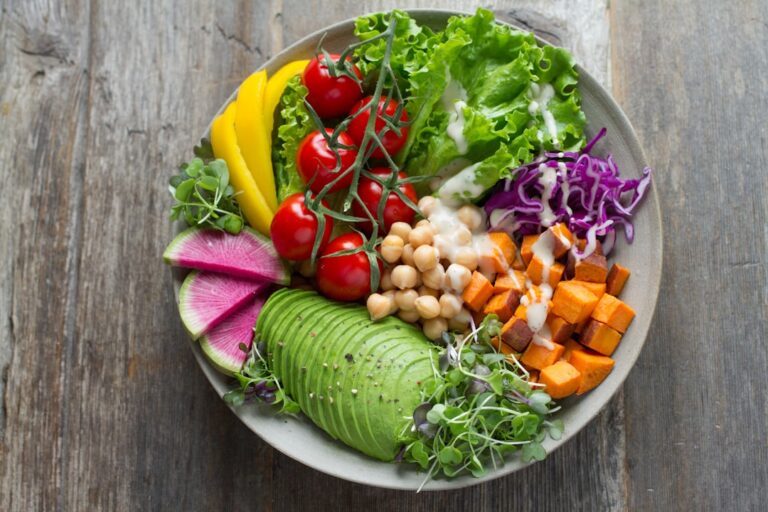
A well-planned gluten-free diet can be healthy and nutritious. Focus on naturally gluten-free foods, such as:
- Fruits and vegetables
- Lean proteins (meat, poultry, fish, beans, lentils)
- Gluten-free grains (rice, quinoa, oats, corn, sorghum)
- Dairy products (if tolerated)
When choosing gluten-free products, read labels carefully and opt for options that are lower in sugar, sodium, and unhealthy fats. Look for products fortified with essential nutrients.
The Importance of Consulting a Healthcare Professional
Before making significant dietary changes, especially restricting gluten, it’s crucial to consult with a doctor or registered dietitian. They can help determine if a gluten-free diet is appropriate for you and provide guidance on how to follow it safely and effectively, ensuring you meet your nutritional needs.
References & Links
- Anderson, J. W., et al. “Health implications of dietary fiber.” Nutrition Reviews 56.1 (1998): 1-18.
- Brandt, L. J., et al. “ACG clinical guideline: management of irritable bowel syndrome.” The American Journal of Gastroenterology 104.Suppl 1 (2009): S1-S35.
- Saturni, L., Ferretti, F., & Bacchetti, T. (2010). The Gluten-Free Diet: Safety and Nutritional Quality. Nutrients, 2(1), 16-34.
- NIH – National Institute of Diabetes and Digestive and Kidney Diseases: https://www.niddk.nih.gov/
- Celiac Disease Foundation: https://celiac.org/
This article is for general health information purposes and does not replace professional medical consultation. It was generated by Gemini AI.




 Korean