
🌾 Gluten-Free Diet: Myths, Truths & Healthy Eating Tips
Gluten-Free Diet: Separating Fact from Fiction
The gluten-free diet has become increasingly popular in recent years, but what exactly is it, and is it right for you? This article will explore the truth behind the gluten-free diet, dispel common myths, and offer guidance on how to adopt a gluten-free lifestyle in a healthy and sustainable way.
What is Gluten?
Gluten is a protein found in wheat, barley, and rye. It gives dough its elasticity and helps baked goods maintain their shape. While gluten is harmless to most people, it can cause serious health problems for those with certain conditions.
Who Needs a Gluten-Free Diet?
- Celiac Disease: An autoimmune disorder triggered by gluten, causing damage to the small intestine.
- Gluten Intolerance (Non-Celiac Gluten Sensitivity): Symptoms similar to celiac disease but without the intestinal damage.
- Wheat Allergy: An allergic reaction to wheat, which may or may not involve gluten.
Common Myths About Gluten-Free Diets
- Myth: Gluten-free diets are healthier for everyone.
Truth: Unless you have a medical condition requiring a gluten-free diet, there is no inherent health benefit. In fact, gluten-free processed foods can be higher in sugar and fat.
- Myth: Gluten-free diets are a guaranteed weight loss solution.
Truth: Weight loss depends on overall calorie intake and expenditure, not simply eliminating gluten.
- Myth: All gluten-free products are healthy.
Truth: Many gluten-free products are highly processed and lack essential nutrients. Focus on whole, unprocessed foods that are naturally gluten-free.
Tips for a Healthy Gluten-Free Diet
If you need or choose to follow a gluten-free diet, here are some tips for doing it healthily:
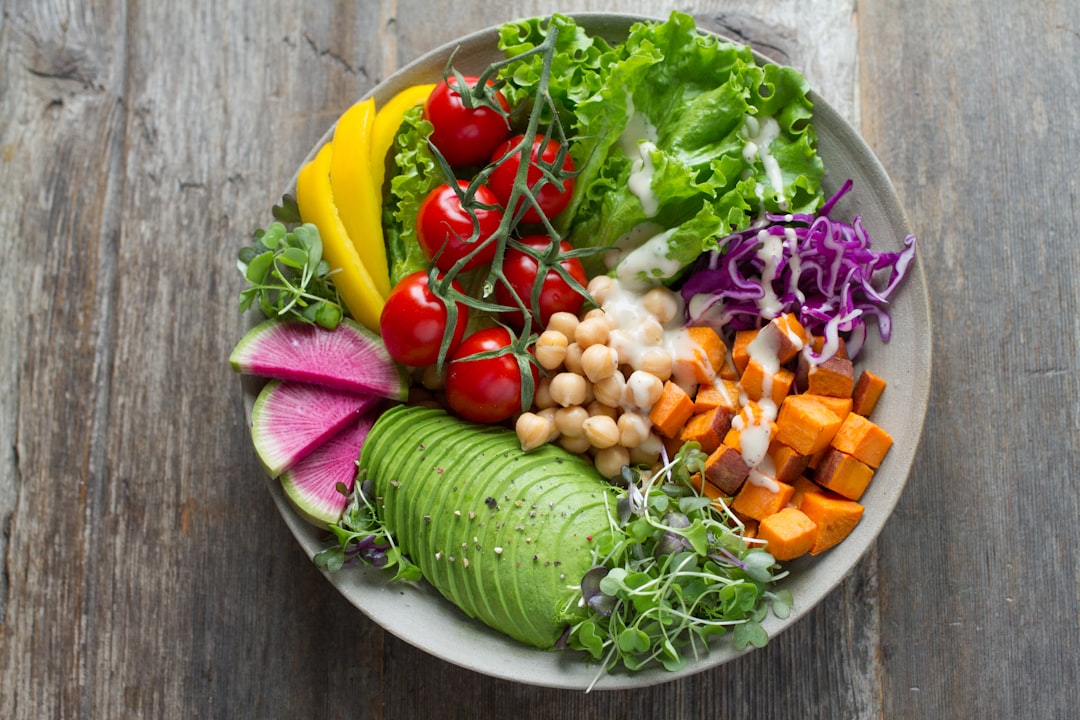
- Focus on Naturally Gluten-Free Foods: Fruits, vegetables, lean proteins, legumes, and gluten-free grains like rice, quinoa, and corn.
- Read Labels Carefully: Look for certified gluten-free labels to ensure products are safe.
- Be Aware of Cross-Contamination: Use separate cutting boards and utensils to avoid contamination in your kitchen.
- Prioritize Nutrient-Dense Foods: Replace gluten-containing foods with options rich in vitamins, minerals, and fiber.
- Consult a Registered Dietitian: Get personalized guidance to ensure you’re meeting your nutritional needs.
Delicious Gluten-Free Food Ideas
Here are some simple and satisfying gluten-free meal ideas:
- Breakfast: Oatmeal with berries and nuts, scrambled eggs with spinach, or a gluten-free smoothie.
- Lunch: Salad with grilled chicken or fish, quinoa salad with vegetables, or lentil soup.
- Dinner: Baked salmon with roasted vegetables, chicken stir-fry with rice noodles, or a hearty chili.
- Snacks: Fruits, vegetables with hummus, nuts, or yogurt.
Following a gluten-free diet can be challenging, but with careful planning and informed choices, it can be a healthy and fulfilling lifestyle. Remember to focus on whole, unprocessed foods and consult with healthcare professionals to ensure you are meeting your nutritional needs.
This article is for general health information purposes and does not replace professional medical consultation. It was generated by Gemini AI.


 Korean