
Gut Feeling: How Probiotics & Healthy Eating Boost Mental Health 🧠❤️
The Gut-Brain Connection: More Than Just a Feeling
Have you ever felt butterflies in your stomach when nervous, or experienced digestive issues during times of stress? This isn’t just a coincidence. The gut and the brain are intricately linked through what’s known as the gut-brain axis, a complex communication network involving the nervous system, immune system, and hormonal pathways. Understanding this connection is key to unlocking better mental well-being.
The Mighty Microbiome: Your Gut’s Ecosystem
Your gut is home to trillions of microorganisms, collectively known as the gut microbiota or microbiome. This diverse community plays a vital role in digestion, nutrient absorption, immune function, and even the production of neurotransmitters like serotonin, often referred to as the ‘happiness hormone.’ An imbalance in the gut microbiota, known as dysbiosis, has been linked to various health issues, including mental health disorders.
Probiotics: Friendly Bacteria for a Happier Mind
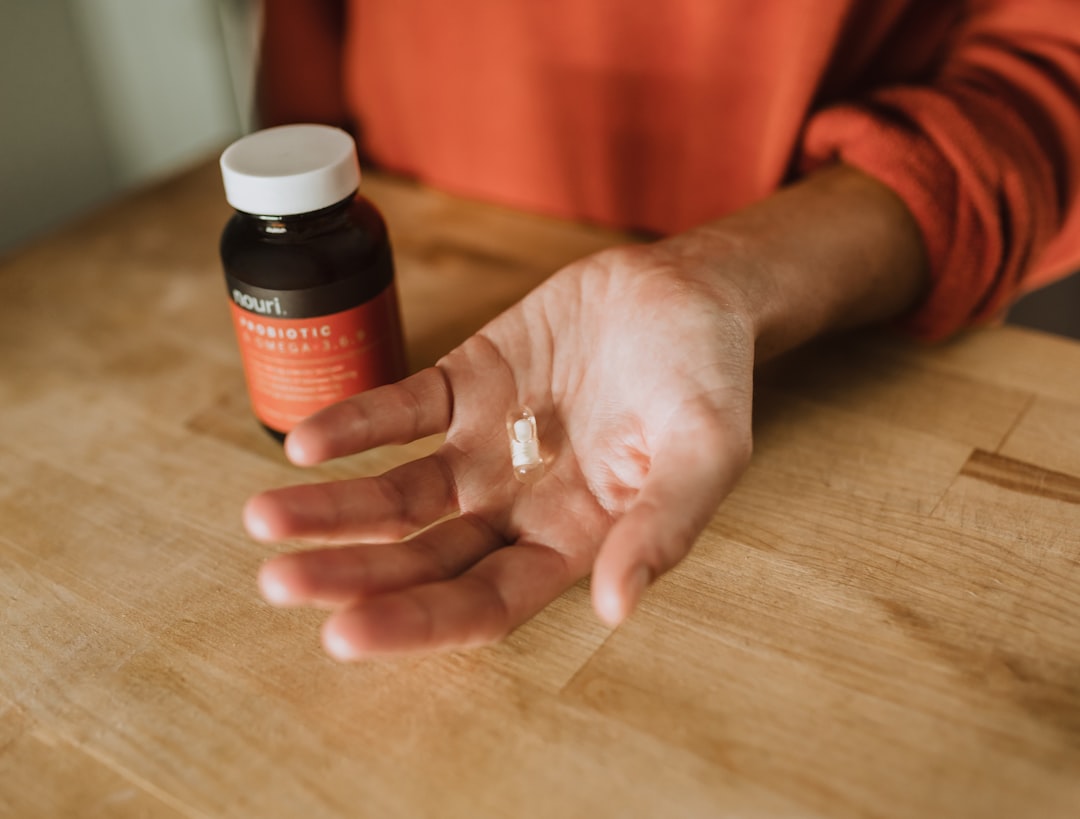
Probiotics are live microorganisms that, when consumed in adequate amounts, confer a health benefit on the host. They can help restore a healthy balance of gut bacteria, potentially improving mental health. Studies have shown that certain probiotic strains can reduce symptoms of anxiety and depression. For example, a meta-analysis published in *JAMA Psychiatry* found that probiotic supplementation was associated with a significant reduction in depressive symptoms ( Firth et al., 2019).
- How Probiotics Help:
- Reduce inflammation in the gut
- Improve the gut barrier function
- Produce beneficial neurotransmitters
- Modulate the stress response
Good sources of probiotics include yogurt (look for live and active cultures), kefir, sauerkraut, kimchi, kombucha, and probiotic supplements. However, it’s important to choose a probiotic supplement with strains that have been specifically studied for their mental health benefits. Consult with a healthcare professional to determine the right probiotic for you.
Nourishing Your Gut, Nourishing Your Mind: Healthy Eating Habits
Diet plays a crucial role in shaping the composition and function of the gut microbiome. A diet rich in processed foods, sugar, and unhealthy fats can negatively impact gut health and contribute to dysbiosis. On the other hand, a healthy diet that emphasizes whole foods, fiber, and fermented foods can promote a thriving gut microbiome and support mental well-being.
- Key Dietary Strategies for Gut and Mental Health:
- Increase Fiber Intake: Fiber-rich foods like fruits, vegetables, and whole grains feed beneficial gut bacteria.
- Limit Processed Foods, Sugar, and Artificial Sweeteners: These can disrupt the gut microbiome balance.
- Include Fermented Foods: Incorporate foods like yogurt, kefir, kimchi, and sauerkraut into your diet.
- Stay Hydrated: Water is essential for maintaining a healthy gut.
- Consider a Mediterranean Diet: This dietary pattern, rich in fruits, vegetables, whole grains, healthy fats, and lean protein, has been linked to improved gut health and mental well-being. A review published in *Molecular Psychiatry* highlights the positive impact of the Mediterranean diet on depression ( Lassale et al., 2019).
Beyond Diet and Probiotics: Holistic Approaches
While diet and probiotics are powerful tools for supporting gut and mental health, they are not the only factors to consider. Stress management techniques, such as meditation, yoga, and deep breathing exercises, can also help reduce the negative impact of stress on the gut-brain axis. Regular physical activity, adequate sleep, and strong social connections are also essential for overall well-being.
Conclusion: A Holistic Approach to Mental Wellness
The connection between gut health and mental health is increasingly recognized as a vital area of research. By prioritizing gut health through probiotic supplementation, healthy eating habits, and stress management techniques, you can support a thriving gut microbiome and potentially improve your mental well-being. Remember to consult with a healthcare professional for personalized advice and treatment.
References and Links:
- Firth, J., et al. (2019). The effects of probiotic supplementation on symptoms of anxiety and depression: a meta-analysis. *JAMA Psychiatry*, 76(5), 499-509. https://jamanetwork.com/journals/jamapsychiatry/article-abstract/2724906
- Lassale, C., et al. (2019). Healthy dietary indices and risk of depressive outcomes: a systematic review and meta-analysis of observational studies. *Molecular Psychiatry*, 24(7), 965-986. https://www.nature.com/articles/s41380-018-0237-8
- Harvard T.H. Chan School of Public Health: https://www.hsph.harvard.edu/nutritionsource/what-should-you-eat/
This article is for general health information purposes only and does not replace professional medical advice or consultation. This content was structured and organized using AI-based tools.

 Korean