
Boost Your Health IQ Through Smart Eating 🧠🍎: Beyond Healthy Pleasure
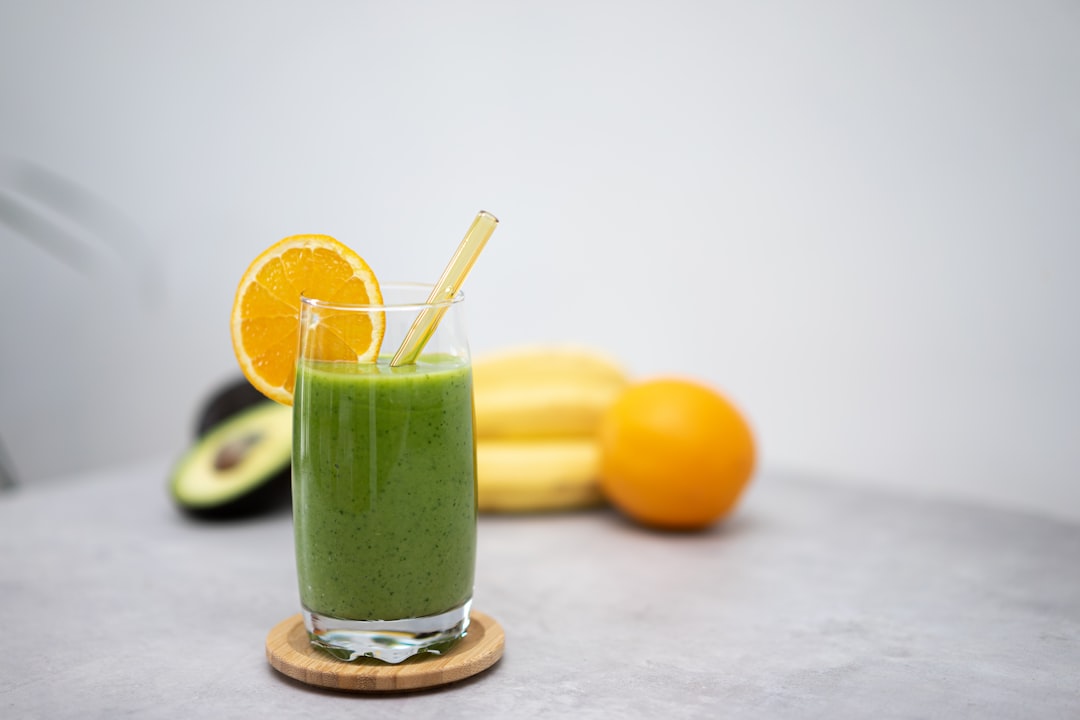
Level Up Your Well-being: Introducing the Health Intelligence Diet
In an era where wellness is a priority, the concept of ‘healthy pleasure’ has gained traction. However, true well-being extends beyond simply enjoying healthy foods. It’s about developing a high ‘Health Intelligence’ (HQ) – the ability to understand and apply nutritional knowledge for optimal health. This guide explores how to cultivate smart eating habits that go beyond momentary pleasure and contribute to long-term vitality.
What is Health Intelligence (HQ) in Diet?
Health Intelligence in diet refers to your ability to make informed and effective food choices based on your understanding of nutrition and how it impacts your body. It’s about moving beyond generic diet trends and crafting a personalized eating plan that supports your individual needs and goals. This includes understanding macronutrients (proteins, carbohydrates, fats), micronutrients (vitamins, minerals), and how different foods affect your energy levels, mood, and overall health.
Key Components of a Health Intelligence Diet
- Nutrient Balance: Focusing on a balanced intake of macronutrients and micronutrients is crucial. This means consuming adequate protein for muscle repair and growth, complex carbohydrates for sustained energy, and healthy fats for hormone production and brain function. Prioritizing a wide variety of fruits, vegetables, and whole grains ensures you’re getting essential vitamins and minerals.
- Mindful Eating: Pay attention to your body’s hunger and fullness cues. Avoid distractions while eating and savor each bite. This helps you prevent overeating and promotes better digestion.
- Personalization: Recognize that dietary needs vary based on age, activity level, health conditions, and genetics. Consult with a registered dietitian or healthcare professional to develop a personalized eating plan.
- Informed Choices: Develop the ability to read and understand nutrition labels. Be aware of hidden sugars, unhealthy fats, and excessive sodium in processed foods. Opt for whole, unprocessed foods whenever possible.
- Sustainable Habits: Focus on building sustainable, long-term eating habits rather than following restrictive diets. Small, gradual changes are more likely to stick and lead to lasting results.
Practical Steps to Improve Your Health Intelligence Through Diet
- Educate Yourself: Read reputable books and articles on nutrition. Take online courses or workshops to deepen your understanding.
- Track Your Food Intake: Use a food diary or app to monitor your calorie and macronutrient intake. This helps you identify areas where you may be lacking or consuming excess.
- Plan Your Meals: Plan your meals in advance to ensure you’re making healthy choices. This can help you avoid impulsive decisions when you’re hungry.
- Experiment with Recipes: Explore new and healthy recipes that incorporate a variety of nutrient-rich foods.
- Seek Professional Guidance: Consult with a registered dietitian or nutritionist for personalized advice and support.
Beyond 헬시플레저: A Holistic Approach
While enjoying healthy foods is a great starting point, true Health Intelligence involves a more holistic approach. It’s about understanding the connection between food, your body, and your overall well-being. This includes considering the impact of stress, sleep, and physical activity on your dietary needs. By adopting a more intelligent approach to eating, you can unlock your full potential for health and vitality.
References and Further Reading:
- Academy of Nutrition and Dietetics: https://www.eatright.org/
- Harvard T.H. Chan School of Public Health – The Nutrition Source: https://www.hsph.harvard.edu/nutritionsource/
- Mayo Clinic – Nutrition and Healthy Eating: https://www.mayoclinic.org/healthy-lifestyle/nutrition-and-healthy-eating/in-depth/art-20047795
Related Articles
- 🎾 Tennis: Ace Your Way to Health and Happiness! A to Z Guide
- 🎁 Rethinking Holiday Gifts: Enzymes, Albumin & Unique Health Gifts 2024
- 🤧 Beat the Flu: Your Ultimate Guide to Prevention & Relief for a Healthy Winter
- 🍂 Fall Immunity Boost: Unlock the Power of Jujube!
- 🛡️ Thyroid Health: Lifestyle Tips for Hypothyroidism & Hyperthyroidism
This article is for general health information purposes only and does not replace professional medical advice or consultation. This content was structured and organized using AI-based tools.



 Korean