
Sweet Freedom: Navigating the Low-Sugar Snack Trend 🍬
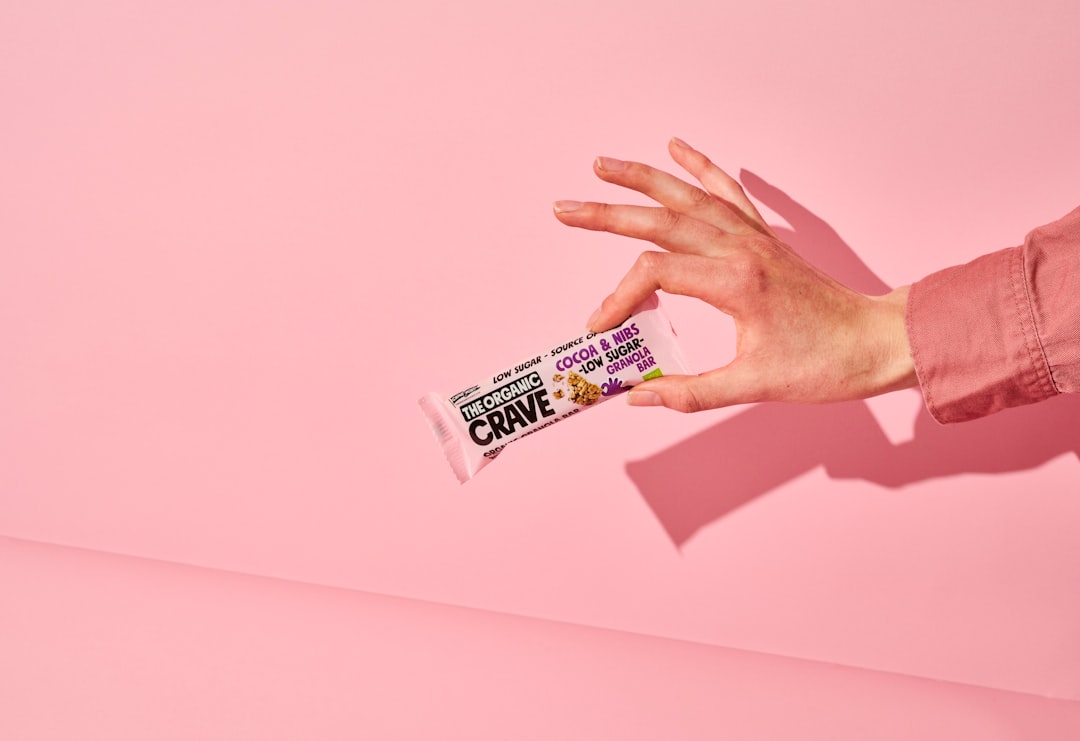
The Rise of Low-Sugar Snacks
In an era increasingly focused on health and wellness, the demand for low-sugar snacks is skyrocketing. This isn’t just a fleeting fad; it’s a response to growing awareness about the negative impacts of excessive sugar consumption, including weight gain, type 2 diabetes, and cardiovascular issues. People are actively seeking healthier alternatives that satisfy their sweet cravings without the sugar crash.
Why Choose Low-Sugar Snacks?
- Blood Sugar Management: Low-sugar options help maintain stable blood sugar levels, crucial for individuals with diabetes or those aiming to prevent it.
- Weight Management: Reducing sugar intake can aid in weight loss or maintenance by lowering calorie consumption and minimizing insulin spikes.
- Improved Energy Levels: Avoiding sugar crashes means sustained energy throughout the day, without the afternoon slump.
- Better Overall Health: Lower sugar intake contributes to improved dental health, reduced inflammation, and a decreased risk of chronic diseases.
Decoding the World of Low-Sugar Treats
Navigating the low-sugar snack market can be overwhelming. Here’s a breakdown of key considerations:
Understanding Sugar Substitutes
Many low-sugar snacks utilize sugar substitutes. Common options include:
- Artificial Sweeteners: Aspartame, saccharin, and sucralose are intensely sweet and calorie-free but have sparked some debate regarding potential side effects. The FDA has approved these sweeteners for use in food and beverages. (FDA, 2018)
- Sugar Alcohols: Erythritol, xylitol, and sorbitol are naturally occurring compounds found in fruits and vegetables. They contain fewer calories than sugar but can cause digestive discomfort in large quantities.
- Natural Sweeteners: Stevia and monk fruit are plant-based sweeteners gaining popularity for their natural origin and minimal impact on blood sugar levels.
Navigating the Nutrition Label
Pay close attention to the nutrition label when choosing low-sugar snacks. Look for:
- Total Sugar: Aim for snacks with significantly lower sugar content compared to regular options.
- Added Sugars: The American Heart Association recommends limiting added sugar intake (AHA, 2021).
- Fiber Content: Fiber helps slow down sugar absorption, promoting stable blood sugar levels.
- Other Ingredients: Be mindful of other potentially unhealthy ingredients like saturated fats and artificial additives.
A Guide to Choosing Healthy Low-Sugar Snacks
Here are some ideas for delicious and healthy low-sugar snacks:
- Nuts and Seeds: A great source of healthy fats, protein, and fiber.
- Greek Yogurt with Berries: Choose plain Greek yogurt and add a handful of berries for natural sweetness.
- Dark Chocolate (70% Cacao or Higher): Enjoy a small square of dark chocolate for a rich, satisfying treat. Look for options with low added sugar.
- Vegetable Sticks with Hummus: A crunchy and flavorful option packed with nutrients.
- Homemade Trail Mix: Combine nuts, seeds, and sugar-free dried fruit for a customizable snack.
- Low-Sugar Protein Bars: Choose protein bars with minimal added sugar and a good balance of protein and fiber.
Low-Sugar Chocolate for Valentine’s Day & Beyond ❤️
Even on special occasions like Valentine’s Day, you can indulge in low-sugar treats! Look for chocolates sweetened with stevia, monk fruit, or erythritol. Many brands offer delicious, guilt-free options that allow you to enjoy the celebration without derailing your health goals. Remember to check the ingredient list and nutrition information carefully.
Making Your Own Low-Sugar Snacks
One of the best ways to control the ingredients in your snacks is to make them yourself. There are countless recipes online for low-sugar cookies, muffins, and other treats. Experiment with different sugar substitutes and ingredients to find your favorites.
References & Links
- FDA on Artificial Sweeteners: FDA – High-Intensity Sweeteners
- American Heart Association on Added Sugars: American Heart Association – Added Sugars
Related Articles
- Embrace a ‘Soft January’ 😌: Your Guide to Wellbeing and Burnout Prevention
- Bye Bye Coffee? 20-Somethings Opting for Healthy Drinks & Gut Health 🌱
- 💨 Walk Your Way to Stable Blood Sugar: The ‘Fart Walk’ Effect
- 🍠 Smart Sweet Potato Secrets: Diet & Health in One!
- Level Up Your Life 🎮: Building Healthy Gaming Habits for Focus and Stress Relief
This article is for general health information purposes only and does not replace professional medical advice or consultation. This content was structured and organized using AI-based tools.

 Korean