
🧗♀️ Beginner’s Guide to Sport Climbing: Enjoying It Safely & Preventing Injuries
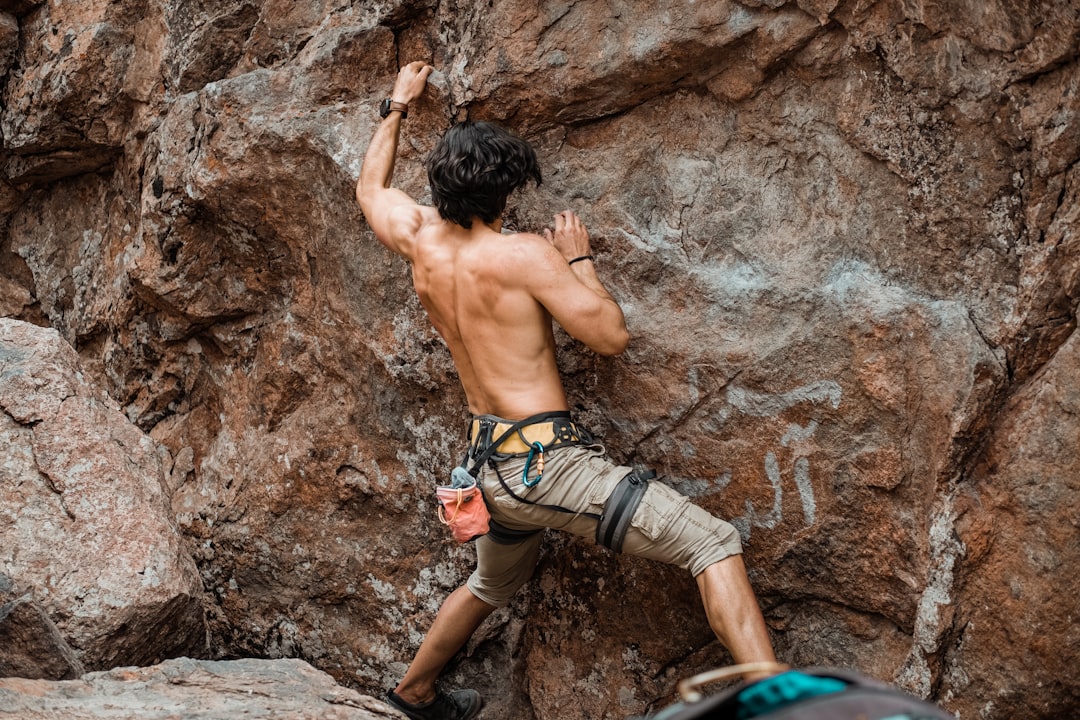
Welcome to the World of Sport Climbing!
Sport climbing is an exhilarating activity that challenges both your mind and body. It’s a fantastic way to build strength, improve flexibility, and boost your problem-solving skills. This guide is designed to help beginners safely navigate the exciting world of sport climbing and prevent common injuries.
💪 The Benefits of Climbing
Climbing offers a full-body workout, engaging muscles you never knew you had! Some key benefits include:
- Increased Strength: Climbing builds strength in your arms, back, core, and legs.
- Improved Flexibility: Reaching for holds enhances flexibility and range of motion.
- Enhanced Cardiovascular Health: Climbing can be a great cardio workout, improving heart health.
- Mental Agility: Route planning and problem-solving sharpen your cognitive skills.
🤕 Understanding Common Climbing Injuries
While climbing is a rewarding sport, it’s essential to be aware of potential injuries. Common climbing injuries include:
- Finger Injuries: Pulley strains and tendonitis are common due to the high stress placed on fingers.
- Elbow Injuries: Golfer’s elbow (medial epicondylitis) and tennis elbow (lateral epicondylitis) can occur due to repetitive motions.
- Shoulder Injuries: Rotator cuff strains and impingement can result from overuse and improper technique.
- Ankle Injuries: Sprains and fractures can occur from falls.
🛡️ Injury Prevention Strategies
Preventing injuries is crucial for enjoying a long and healthy climbing career. Here are some key strategies:
Warm-up & Cool-down:
Proper warm-up and cool-down routines are vital for injury prevention. Here are some tips:
- Warm-up: Start with light cardio, such as jumping jacks or arm circles, for 5-10 minutes. Follow with dynamic stretches like arm swings, leg swings, and torso twists.
- Cool-down: After climbing, perform static stretches, holding each stretch for 20-30 seconds. Focus on stretching your fingers, forearms, shoulders, and back.
🧗♀️ Proper Technique
Learning and practicing proper climbing technique is essential. Focus on the following:
- Footwork: Use your feet effectively to support your weight and conserve energy.
- Body Positioning: Keep your body close to the wall to reduce strain on your arms.
- Dynamic Movement: Use momentum to reach for holds efficiently.
💪 Gradual Progression
Avoid doing too much too soon. Gradually increase the difficulty of your climbs and the duration of your sessions. Allow your body time to adapt and recover.
👂 Listen to Your Body
Pay attention to any pain or discomfort you experience. Don’t push through pain, as this can lead to more serious injuries. Rest and recover when needed.
Stretching & Strengthening Exercises
Regular stretching and strengthening exercises can help prevent injuries. Consider incorporating the following into your routine:
- Finger Stretches: Gently extend and flex your fingers to improve flexibility.
- Forearm Stretches: Stretch your forearm flexors and extensors to reduce tension.
- Shoulder Exercises: Perform rotator cuff strengthening exercises to improve stability.
- Core Strengthening: Strengthen your core muscles to improve overall stability and balance.
References and Resources
- American Academy of Orthopaedic Surgeons (AAOS): https://www.aaos.org/
- National Institutes of Health (NIH): https://www.nih.gov/
- Climbing.com: https://www.climbing.com/
Related Articles
- 🐟 7 Healthy Ways to Enjoy Oily Fish: From Selection to Cooking Tips
- Teen Depression: Solutions for a Healthy Mind 🧠💪
- 🚀 5 Ways to Boost Teen Self-Esteem: Habits for a Positive You
- The Secret to Longevity? 🤔 The Amazing Impact of a Positive Mindset on Senior Health
- Unlock Longevity: The Power of Positivity for a Healthier Life 😃
This article is for general health information purposes only and does not replace professional medical advice or consultation. This content was structured and organized using AI-based tools.

 Korean