
🎾 Beat Tennis Elbow: Prevention & Pain-Free Play
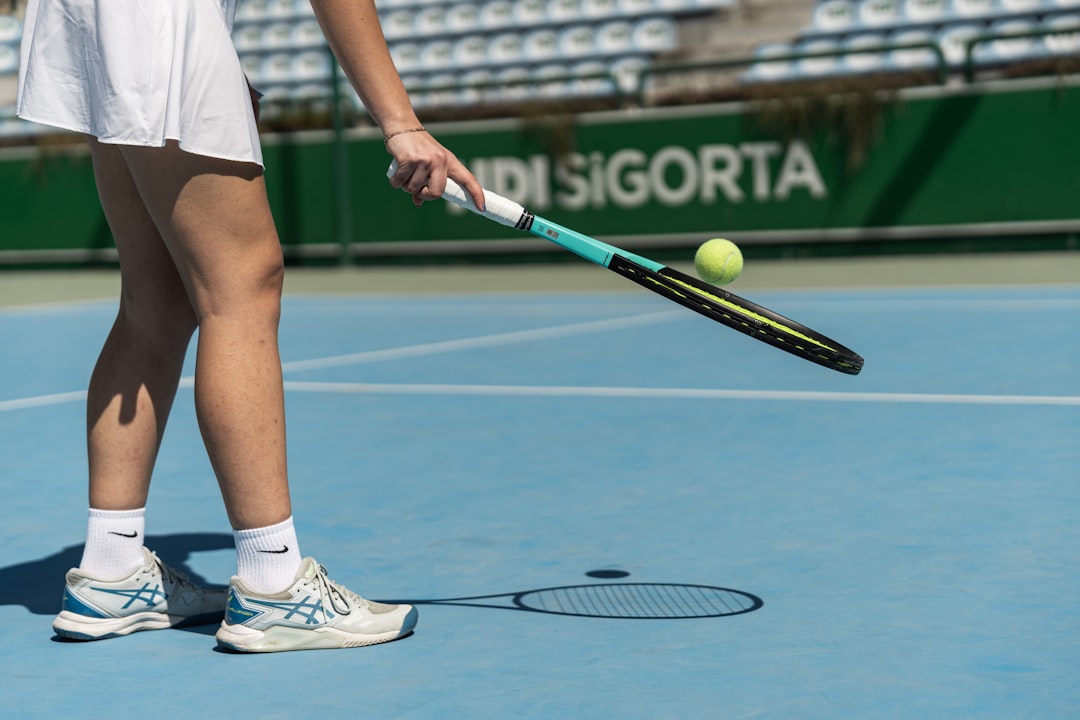
🎾 Beat Tennis Elbow: Prevention & Pain-Free Play
Tennis elbow, or lateral epicondylitis, is a common ailment among tennis players, but it doesn’t have to sideline you! This condition causes pain on the outside of the elbow due to overuse and strain of the forearm muscles and tendons. Understanding the causes and implementing preventive measures is key to staying on the court and enjoying the game.
Understanding Tennis Elbow
Tennis elbow isn’t exclusive to tennis players; it can affect anyone who performs repetitive arm movements. However, in tennis, repetitive backhand strokes with improper technique are often the culprit. These movements place excessive stress on the tendons that attach to the lateral epicondyle (the bony bump on the outside of your elbow).
Preventing Tennis Elbow: A Proactive Approach
Prevention is always better than cure. Here’s how you can minimize your risk of developing tennis elbow:
- Proper Technique: This is the most crucial aspect. Consider taking lessons from a qualified coach to learn and refine your technique, particularly your backhand. A proper two-handed backhand can significantly reduce stress on the elbow.
- Warm-Up and Stretching: Always warm up your muscles before playing. Focus on stretches that target the forearm, wrist, and shoulder. This improves flexibility and prepares your muscles for the demands of the game.
- Strengthening Exercises: Strengthening the forearm muscles helps to stabilize the elbow joint and prevent overuse injuries. Include exercises like wrist curls, reverse wrist curls, and forearm pronation/supination in your routine.
- Equipment Check: Ensure your racquet grip is the right size and that the string tension is appropriate. A grip that is too small or strings that are too tight can increase the impact on your elbow.
- Listen to Your Body: Don’t push through pain. If you experience elbow discomfort, stop playing and rest. Ignoring the pain can lead to a chronic condition.
Easing Existing Elbow Pain
If you’re already experiencing tennis elbow pain, here are some strategies to manage it:
- Rest and Ice: Rest the affected arm and apply ice packs for 15-20 minutes several times a day to reduce inflammation.
- Over-the-Counter Pain Relief: Nonsteroidal anti-inflammatory drugs (NSAIDs) like ibuprofen or naproxen can help alleviate pain and inflammation.
- Tennis Elbow Brace: Wearing a brace below the elbow can help support the forearm muscles and reduce stress on the tendons.
- Physical Therapy: A physical therapist can guide you through specific exercises to strengthen the forearm muscles, improve flexibility, and reduce pain.
- Cortisone Injections: In some cases, a doctor may recommend cortisone injections to reduce inflammation and pain. However, these injections provide only temporary relief and should be used with caution.
Stretches and Exercises for Tennis Elbow
Here are a few simple stretches and exercises you can incorporate into your routine:
- Wrist Extensor Stretch: Extend your arm straight out in front of you with your palm facing down. Bend your wrist down towards the floor and gently pull back on your fingers with your other hand. Hold for 15-30 seconds.
- Wrist Flexor Stretch: Extend your arm straight out in front of you with your palm facing up. Bend your wrist down towards the floor and gently pull back on your fingers with your other hand. Hold for 15-30 seconds.
- Wrist Curls: Sit with your forearm supported on a table and your wrist extended over the edge. Hold a light weight (1-2 pounds) in your hand with your palm facing up. Slowly curl your wrist upward, then lower it back down. Repeat 10-15 times.
- Reverse Wrist Curls: Sit with your forearm supported on a table and your wrist extended over the edge. Hold a light weight (1-2 pounds) in your hand with your palm facing down. Slowly curl your wrist upward, then lower it back down. Repeat 10-15 times.
By understanding the causes of tennis elbow, implementing preventive measures, and properly managing pain, you can continue to enjoy playing tennis without the limitations of elbow pain.
References & Links
- Mayo Clinic: Tennis elbow – Diagnosis and treatment – Mayo Clinic
- American Academy of Orthopaedic Surgeons: Tennis Elbow (Lateral Epicondylitis) – OrthoInfo – AAOS
- National Institute of Arthritis and Musculoskeletal and Skin Diseases (NIAMS): [Invalid URL removed]
Related Articles
- Overcoming Teenage Anxiety 😥: Dealing with Academic Stress, Friendships, and Future Worries Healthily
- 🏃♀️ Join a Running Group: Boost Health, Happiness & Results!
- 💪 Strength Training Routine for Busy 30s: Effective Workouts for Professionals
- 🧗♀️ Beginner’s Guide to Sport Climbing: Enjoying It Safely & Preventing Injuries
- 🐟 7 Healthy Ways to Enjoy Oily Fish: From Selection to Cooking Tips
This article is for general health information purposes only and does not replace professional medical advice or consultation. This content was structured and organized using AI-based tools.




 Korean