
🛡️ Thyroid Health: Lifestyle Tips for Hypothyroidism & Hyperthyroidism
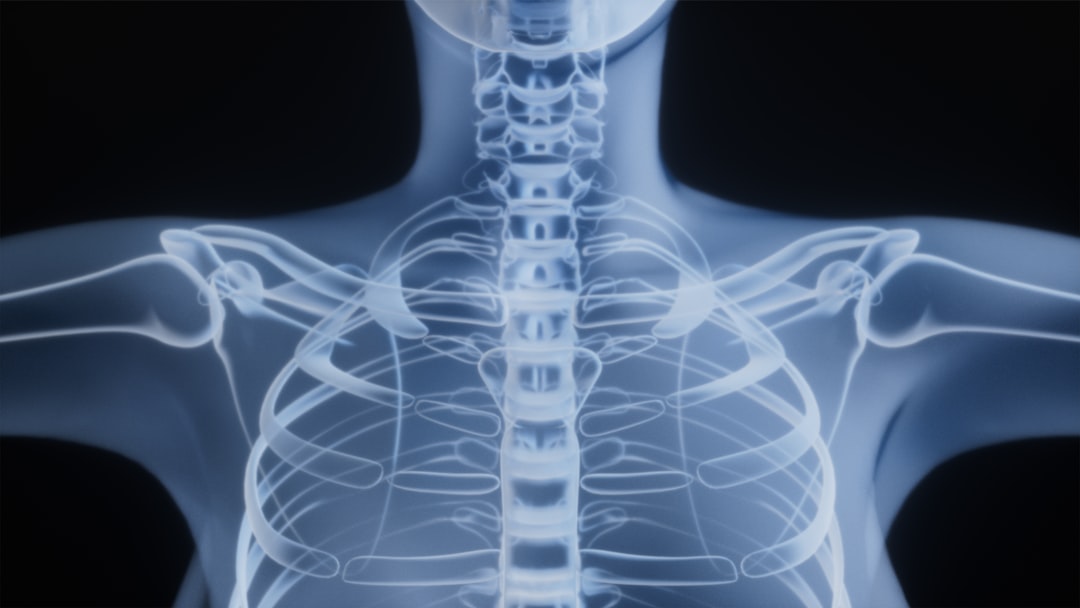
Thyroid Health: Lifestyle Tips for Hypothyroidism & Hyperthyroidism
The thyroid gland, a small butterfly-shaped organ located at the base of the neck, plays a vital role in regulating metabolism, energy levels, and overall well-being. Maintaining optimal thyroid health is crucial, and understanding the specific needs of hypothyroidism (underactive thyroid) and hyperthyroidism (overactive thyroid) is essential for effective management.
Understanding Thyroid Disorders
Hypothyroidism: Occurs when the thyroid gland doesn’t produce enough thyroid hormones. Common symptoms include fatigue, weight gain, constipation, dry skin, and feeling cold.
Hyperthyroidism: Occurs when the thyroid gland produces too much thyroid hormones. Common symptoms include weight loss, rapid heartbeat, anxiety, sweating, and difficulty sleeping.
Thyroid Self-Assessment
While a medical diagnosis is necessary, being aware of potential symptoms can prompt timely consultation with a healthcare professional. Consider these questions:
- Have you experienced unexplained weight changes?
- Do you frequently feel fatigued or have low energy levels?
- Have you noticed changes in your heart rate?
- Are you experiencing mood swings, anxiety, or difficulty concentrating?
- Have you observed changes in your hair, skin, or nails?
If you answer yes to several of these questions, consult a doctor for a thyroid function test.
Dietary Considerations for Thyroid Health
Diet plays a crucial role in managing both hypothyroidism and hyperthyroidism.
Foods to Support Thyroid Function
- Iodine-Rich Foods: Iodine is essential for thyroid hormone production. Include foods like seaweed, iodized salt, and dairy products (in moderation).
- Selenium-Rich Foods: Selenium helps convert T4 (inactive thyroid hormone) to T3 (active thyroid hormone). Good sources include Brazil nuts, tuna, and eggs.
- Zinc-Rich Foods: Zinc is necessary for thyroid hormone synthesis. Consume foods like oysters, beef, and pumpkin seeds.
Foods to Limit or Avoid
- Goitrogens (for Hypothyroidism): These substances can interfere with thyroid hormone production. Limit raw cruciferous vegetables like broccoli, cauliflower, and cabbage. Cooking these vegetables can reduce their goitrogenic effect.
- Excessive Iodine (for Hyperthyroidism): Limit intake of foods high in iodine.
- Processed Foods and Sugars: Can contribute to inflammation and exacerbate thyroid symptoms.
- Caffeine and Alcohol (for Hyperthyroidism): Can worsen anxiety and heart palpitations.
Lifestyle Habits for Thyroid Management
Beyond diet, several lifestyle factors can significantly impact thyroid health.
Stress Management
Chronic stress can negatively affect thyroid function. Practice stress-reducing techniques such as yoga, meditation, and deep breathing exercises.
Regular Exercise
Engage in moderate-intensity exercise to improve energy levels, boost metabolism, and reduce stress. Choose activities you enjoy, such as walking, swimming, or cycling.
Sufficient Sleep
Aim for 7-8 hours of quality sleep per night to support overall health and hormone balance.
Thyroid Fatigue and Energy Management
Fatigue is a common symptom of thyroid disorders. Here are some strategies to manage thyroid-related fatigue:
- Maintain a Consistent Sleep Schedule: Go to bed and wake up at the same time each day.
- Prioritize Rest: Take short breaks throughout the day to rest and recharge.
- Manage Stress: Practice relaxation techniques to reduce stress levels.
- Eat Regular Meals: Avoid skipping meals to maintain stable blood sugar levels.
Thyroid Supplements: When are they necessary?
While a balanced diet is ideal, some individuals may benefit from thyroid supplements. Consult with a healthcare professional before starting any supplements.
- Iodine: Only supplement if you are deficient, as excessive iodine can be harmful.
- Selenium: May be beneficial for converting T4 to T3.
- Vitamin D: Many people with thyroid disorders are deficient in vitamin D.
Thyroid Exercise
While there are no specific exercises that directly target the thyroid, maintaining a healthy lifestyle through regular physical activity helps to boost metabolism, reduce stress, and improve overall well-being, indirectly supporting thyroid health. Consider incorporating cardio, strength training, and flexibility exercises into your routine.
References and Resources
- American Thyroid Association: https://www.thyroid.org/
- National Institute of Diabetes and Digestive and Kidney Diseases (NIDDK): https://www.niddk.nih.gov/
- Mayo Clinic: https://www.mayoclinic.org/
Related Articles
- Sweet Freedom: Navigating the Low-Sugar Snack Trend 🍬
- Embrace a ‘Soft January’ 😌: Your Guide to Wellbeing and Burnout Prevention
- Bye Bye Coffee? 20-Somethings Opting for Healthy Drinks & Gut Health 🌱
- 💨 Walk Your Way to Stable Blood Sugar: The ‘Fart Walk’ Effect
- 🍠 Smart Sweet Potato Secrets: Diet & Health in One!
This article is for general health information purposes only and does not replace professional medical advice or consultation. This content was structured and organized using AI-based tools.



 Korean